
Cancer Patients Who “Don’t Look Sick” Break Down This Common Misconception
Reading Time: 5 minutes
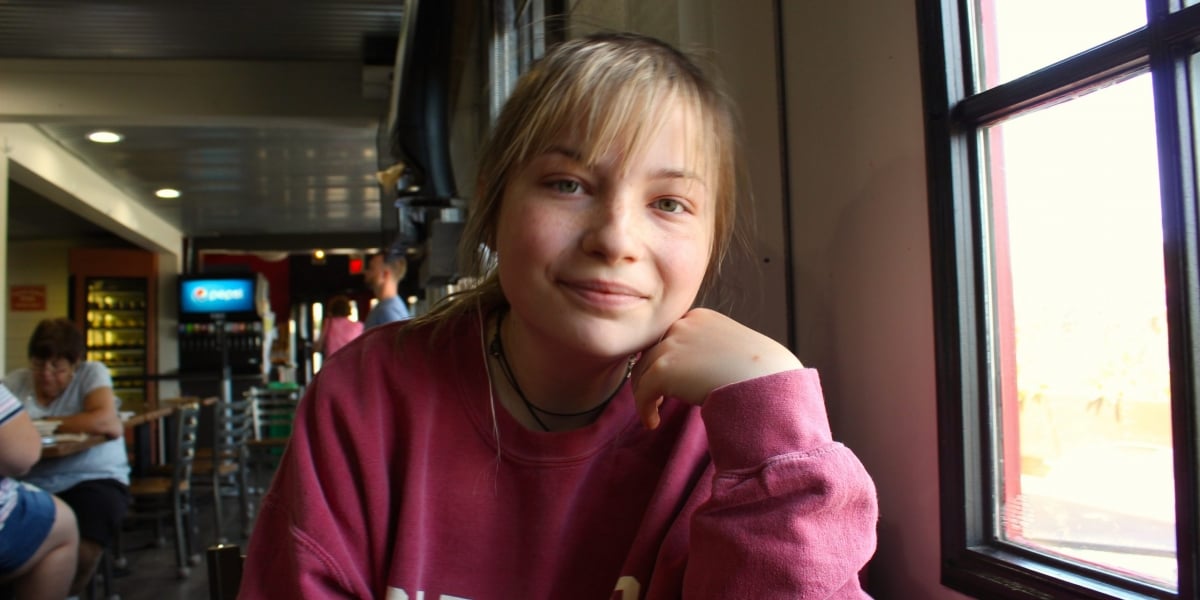
Annalisa endured oral cancer surgery and has the memories, scar on her neck, and residual side effects to prove it, but she got used to people saying she didn’t look like she had cancer.
“I could never understand why anyone would say that or really what it meant,” she said.
The reality is that the side effects of cancer extend far beyond significant changes in appearance. Some chemotherapy causes hair loss, other treatment plans do not. Often times, the side effects layer on each other. Treatment can mean time off of work, and that loss of income correlates to the financial struggles cancer patients and their families often face. Worrying about paying the bills can affect mental health, and even lessen chances of survival when patients make dangerous decisions like cutting their medication in half to save money on prescription costs.
These experiences present a unique challenge for patients who look healthy to others, or who might be beyond treatment, but are still facing the countless side effects that accompany a cancer diagnosis.
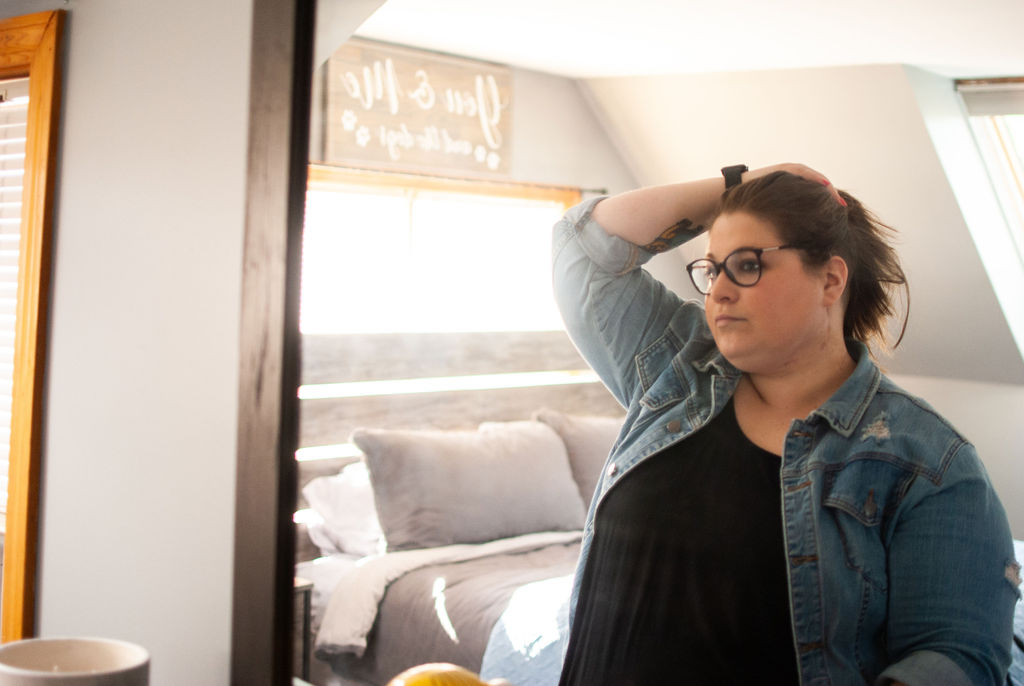
Annalisa after surgery
There’s more to cancer than baldness
Camille was diagnosed with bone cancer in her right leg when she was 10. Now a junior in high school, she recently celebrated “no mo’ chemo” after 27 months of stable scans. However, being off and on treatment during some of the most defining years of her life made it hard to detach cancer from her identity and establish her social world.
“I remember when my hair grew back. I lost so many friends,” Camille recalled. “It definitely taught me who was a true friend and who was only there for the popularity boost that came from being friends with someone who is seriously sick.”
You wouldn’t know just by looking at Camille, but she has lasting physical limitations as a result of her treatment. For example, she has chronic fatigue in her leg and can’t run or jump, which means high school sports aren’t a feasible option and she can’t participate in the Irish dancing she loved before cancer.
“Most people have an image of cancer patients being bald,” Camille said. “It’s really hard to get people to understand that you don’t have to be bald to have cancer, or to be in pain from the side effects.”
Camille isn’t the only one who struggled with this outside perspective. When Travis’ daughter Lilli was first diagnosed with leukemia, the support poured in from their friends, family, and community. However, he admitted that everyone started to disappear once Lilli’s hair started growing back.
“Since Lilli finished treatment and, at least outwardly, it seems like our family is ‘back to normal,’ we’ve gotten less help from friends and family – and haven’t asked for it, either,” Travis said. “It’s hard to ask folks for help when it appears to most people that your family is past all the trouble.”
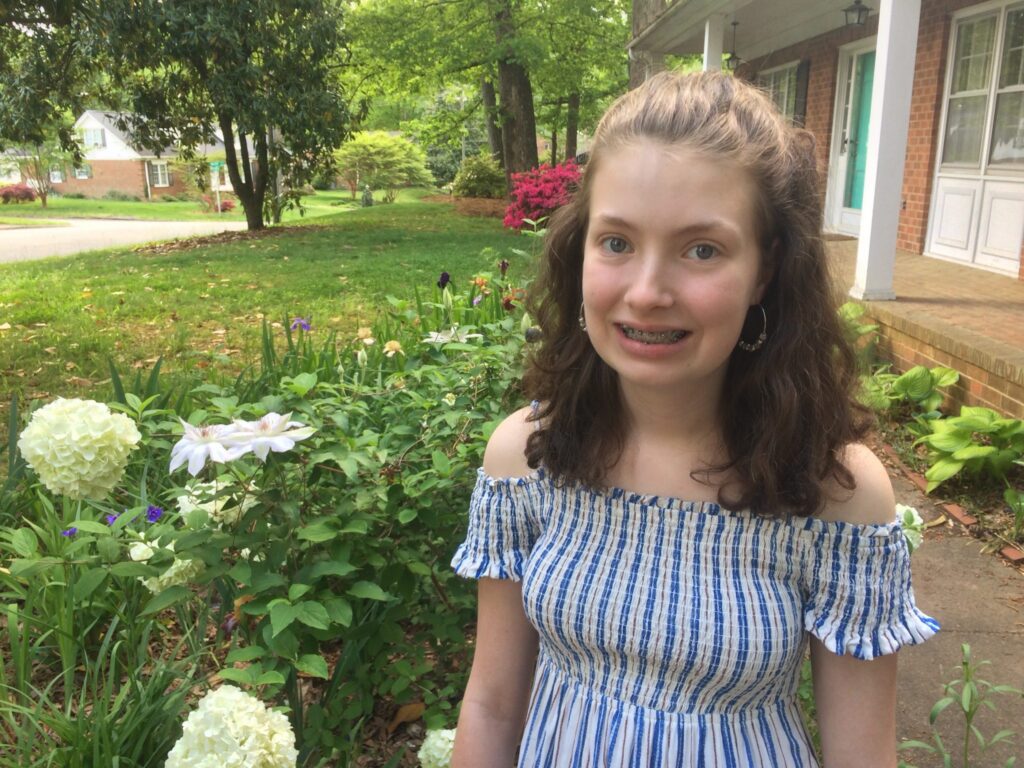
Lilli after treatment
Michael is an adult cancer patient, who – much like Camille – lost his hair early on during his treatment. However, he has endured several relapses since his initial diagnosis, and the new treatment plans didn’t affect his appearance in the same way. He admitted that he wished he had nickel for every time someone told him how great he looked.
“At some points, I felt like I had to play the part of being sick,” he said. “In reality, I was struggling just to get out of bed let alone play catch with my kids.”
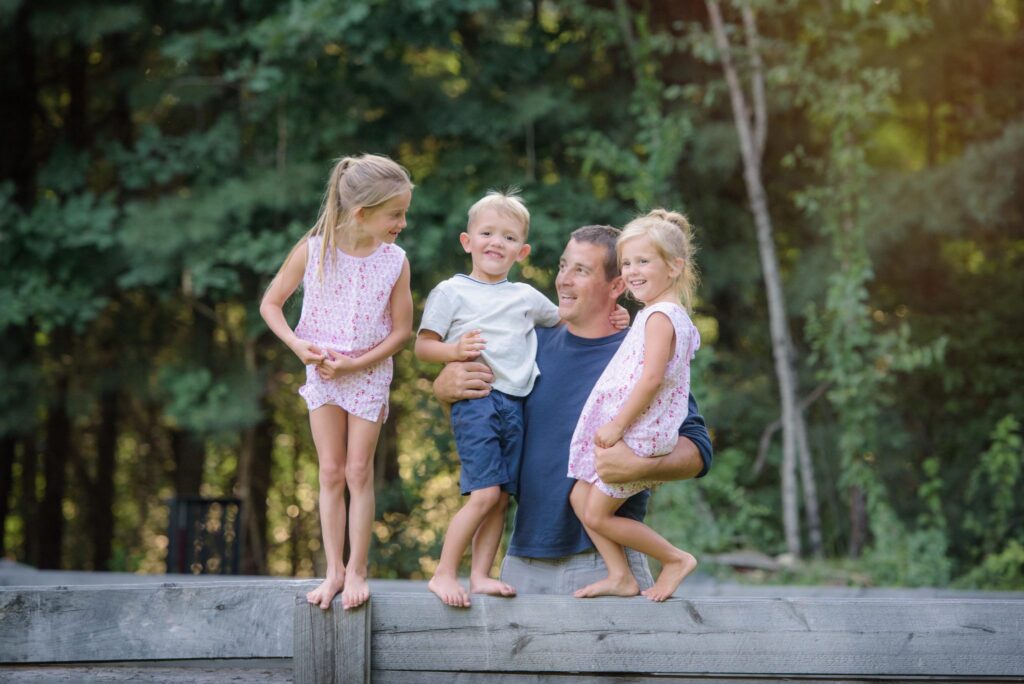
Michael with his three kids
Michael wanted to act strong in front of his family, and he knew his young kids didn’t realize how weak he had become. But since he didn’t show outward signs of being sick, Michael had to find the courage to explain how he was feeling so others could understand why he was struggling with everyday actions.
“My visual side effects didn’t exactly explain how I was feeling on the inside,” he said. “I had bone pain, an awful taste in my mouth, fatigue, numbness in my fingers, and, most recently, Stevens-Johnson syndrome.”
The side effects spread to wallets
Cancer treatment can cause physical limitations, emotional roadblocks, and social challenges, but it also significantly impacts financial situations. The financial burden of cancer is a common side effect of treatment, but patients and their families often suffer in silence. What’s more, financial toxicity can have lasting repercussions.
“Financially, even though my family doesn’t struggle today, I’m still cautious with my spending just in case anything happens,” Camille said. “My experience with cancer showed me that my finances are important. You never really know what could happen.”
For adult cancer patients, the financial implications of cancer can cut even deeper.
“I’ve been out of work off and on over the past five years,” Michael explained. “It feels like I’m never going to catch up.”
Even after celebrating treatment success, some families face the financial hurdles of their diagnosis for years to come. Those who wiped out their savings to stay afloat during treatment, for instance, have to start from scratch to reach financial stability post-cancer.
According to Travis, “Lilli is healthy. We have jobs. We have insurance. In spite of all this, we’ll be paying off the debt for years to come.”
Offering unconditional support to cancer patients
Camille, for one, wants the world to know that “the struggle of cancer is very long-lasting. It doesn’t end when your hair grows back. It doesn’t end when treatment is over. It doesn’t end when you’re a survivor. It’s a long-term battle, and everyone going through it deserves support.”
When asked about his hopes for the future during the Patient and Caregiver Panel at Family Reach’s 2019 Imagine Session, Travis responded: “Easy access to support for cancer patients when they no longer ‘look like’ cancer patients.”
And with that, we have a new goal on the table: Let’s make this vision of unconditional support come true.
If you or someone you know is facing the financial barriers of cancer, reach out to Family Reach to discuss eligibility for financial support.